

Cartier Déclaration
My review of Jean-Claude Ellena's iconic twist on freshness.

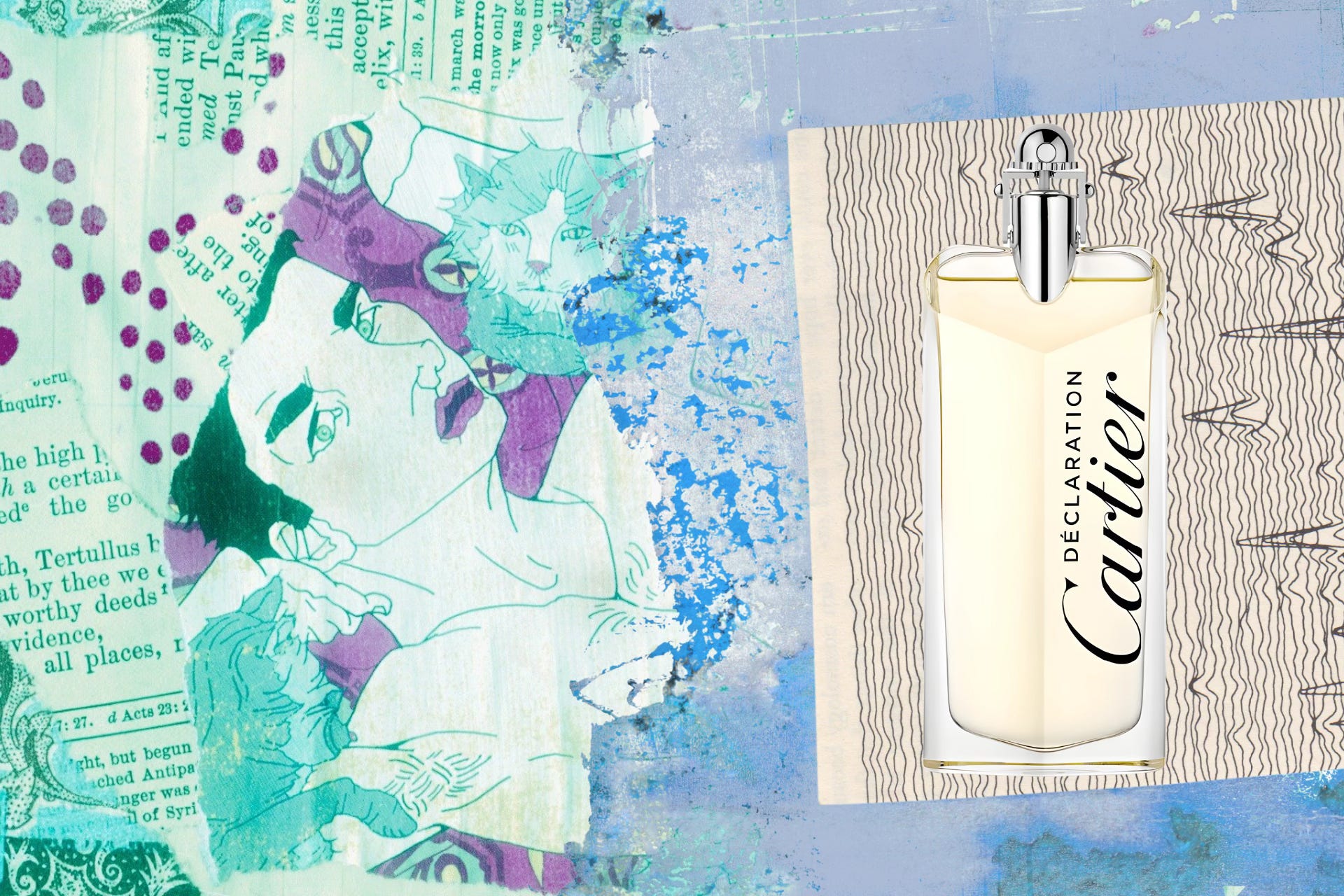
1998 was a good year. Musically we got absolute bangers like Madonna’s Ray of Light, Cher’s Believe, The Miseducation of Lauryn Hill, Massive Attack’s Mezzanine, Air’s Moon Safari, Placebo’s Without You I’m Nothing, I could go on…. It was a year of exceptional creativity and innovation, not just musically, but in the world of olfaction too. 1998 was the year when we got Dior’s Hypnotic Poison, Vivienne Westwood’s Boudoir, Gucci’s Envy for Men, Le Feu d’Issey, Comme des Garçons Odeur 53, Givenchy’s Pi, again, I could go on… Let’s just settle on it being a fruitfully creative year for fragrance.
Perhaps the most interest and consequential fragrance to come out of 1998 is Cartier’s Déclaration. Not only did it represent a shift in perfumer Jean-Claude Ellena’s style, from the big, buxom compositions he’d made previously (VC&A First, for example) to the cerebral, mineral, watercolour style he’d explore so beautifully and thoroughly during his tenure at Hermès, but it also really spotlit a material that would become central to many masculine compositions in the future: cardamom.
What makes Déclaration so iconic is how it was one of the very first fragrances to explore the idea of freshness without the use of aquatic notes. Instead, Déclaration presented transparency through silvery spices and dry woods, creating something that smelled familiarly fresh, but in an entirely unfamiliar way. It was a clean (but also actually quite dirty) fragrance with that cyber-mineral-transparency that was so tied to the millennium. It was groundbreaking and do you know what? It still smells fantastic today.
Keep reading with a 7-day free trial
Subscribe to Making Scents Make Sense to keep reading this post and get 7 days of free access to the full post archives.